What Is a Yes or No Wheel? How It Works + Best Use Cases
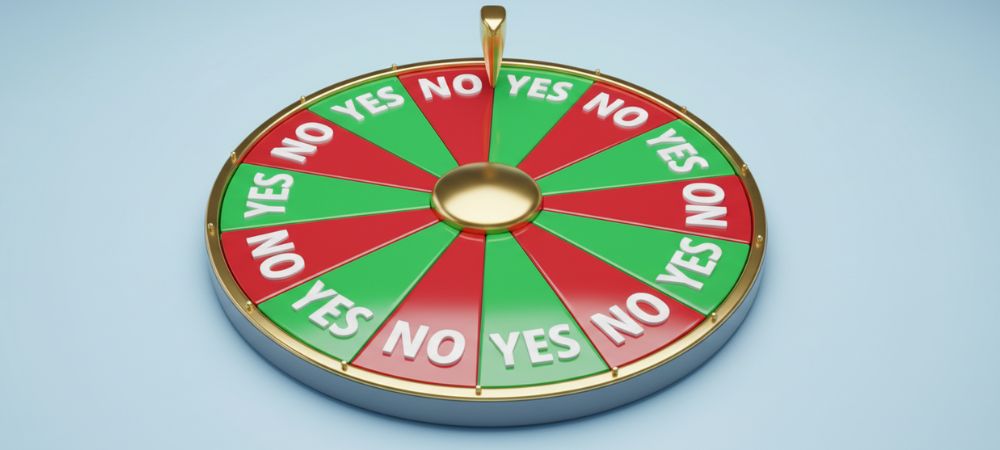
Quick Answer: A yes or no wheel is a free online spinning tool that gives you a random yes or no answer in seconds. You spin it, it lands on yes or no, and the decision is made. Simple. But the real magic is why people use it — and how it actually helps.
You know that feeling when you keep going back and forth on a small decision and nothing moves? Should you do it or not? Say yes or no? A yes or no wheel cuts that loop short. One spin. Done.
This tool is everywhere now. Students use it. Teachers use it. Teams use it. Even people who just want to stop wasting time on tiny choices use it.
So what exactly is it, how does it really work, and when does it make the most sense to use one? This post covers all of it. And if you want to try one right now, the yes or no wheel on this site is free, fast, and takes zero setup.
What Is a Yes or No Wheel
A yes or no wheel is a digital spinning wheel that shows only two outcomes: yes and no. Some versions also include a maybe option. You click spin, the wheel turns, and it stops on one of those results.
That is it. No sign up. No math. No long menus. Just a wheel that gives you an answer when you cannot give yourself one.
It lives online, works on phones and laptops, and anyone can use it for free. Think of it like a coin flip but more visual, more satisfying, and honestly more fun.
How a Yes or No Wheel Actually Works
The mechanics are basic. The wheel is split into equal sections. Each section is labeled with an outcome — yes, no, or maybe. When you hit spin, the wheel rotates using a random number generator behind the scenes.
That random number picks a landing angle. The wheel slows down and stops at that point. Whatever section lands at the top or pointer — that is your answer.
The randomness is real. The algorithm does not lean toward yes or no. Both have equal probability unless the wheel has been set up with custom sections. Most tools you find online use a fair 50/50 split.
If you want to go deeper on decision science and why random tools work for our brains, Psychology Today has covered decision fatigue in ways that explain a lot about why we get stuck.
Yes or No Wheel vs Yes No Maybe Wheel — What Is the Difference
A standard yes or no wheel has two sections. That gives you a clean 50/50 result. This is best when you truly have only two options and you want a direct answer.
A yes no maybe wheel adds a third section. That third option introduces wiggle room. It is useful when you are not fully committed to making a hard call — when maybe is a real and valid answer for your situation.
Some people find the maybe option frustrating. They want a definite answer. Others find it helpful because it reflects real life better. It depends on what you need. You can read more about when to embrace uncertainty in decisions to understand which wheel fits your moment.
Best Use Cases for a Yes or No Wheel
This is where it gets interesting. Most people think this tool is just for jokes or games. But the real use cases are much broader and some of them are surprisingly practical.
1. Making Small Daily Decisions Faster
Should you order that meal? Should you skip the gym today? Should you reply to that message now or later?
These tiny decisions eat time and mental energy. Spinning a yes or no wheel gives your brain permission to stop overthinking. You spin, you commit, you move on.
This is directly connected to decision fatigue — the mental drain that builds up when you make too many small choices. If you want to understand this better, decision fatigue and how to stop overthinking small daily choices breaks it down well.
2. Settling Friendly Arguments
Two people. One wants pizza. One wants tacos. Neither wants to be the one who picks wrong.
The wheel takes the blame out of the decision. Nobody chose it — the wheel did. That makes it way easier to accept the result and move on without hard feelings.
If the argument is about dinner specifically, there is a whole post on how to settle any argument over what to eat for dinner — and the yes or no wheel is a big part of it.
3. Classroom and Teacher Use
Teachers use it to call on students randomly. They use it to decide which group goes first. They use it to keep things fair and fun during group activities.
Kids respond well to the wheel because it feels like a game. The spinning animation grabs attention. The random result keeps things fair without the teacher having to explain their reasoning.
4. Party Games and Social Events
A yes or no wheel at a party is basically a chaos button in the best way. Should you do the dare? Should we order more food? Should this person sing right now?
It adds an element of randomness that people love. If you are planning something fun, ten fun ways to use a yes or no wheel at your next party gives you ideas you probably have not thought of yet.
5. Breaking Decision Deadlocks at Work
Teams get stuck too. Should we go with option A or option B? Is now the right time to launch? Sometimes the team is split and no one wants to be the deciding vote.
A spin of the wheel is not always the final word in professional settings. But it is a great way to start the conversation or break a tie when both options are genuinely close.
Some people use randomness as a real productivity tool in work settings. how to use randomness to boost your daily productivity gets into that side of things.
6. Personal Challenges and Habit Building
Should I wake up early tomorrow? Should I skip social media today? Should I try that new workout?
Some people use the wheel to add randomness to their routines on purpose. It keeps things fresh. It removes the mental load of planning every decision in advance.
Why People Use a Yes or No Wheel Instead of Just Flipping a Coin
Good question. A coin flip does the same thing technically. Both are 50/50. Both are random. So why does the wheel feel different?
A few reasons. The visual spin feels more dramatic and satisfying. You watch it happen. You feel the anticipation build. A coin flip is instant — blink and you miss it.
The wheel also feels more intentional. You go to a site, you load the tool, you click spin. That small ritual makes the decision feel more serious even when it is not.
And on mobile it is just easier. No coin needed. No arguing about which side was heads. The comparison goes deeper if you look at yes or no wheel vs coin flip — which is better for decisions.
The Psychology Behind Why the Wheel Works
Here is something most people do not know. When you flip a coin or spin a wheel, your brain often reacts to the result emotionally before you consciously agree with it.
If the wheel lands on yes and you feel a slight disappointment — that is your gut telling you that you actually wanted no. If it lands on yes and you feel relief — that is your real preference surfacing.
The wheel does not just make the decision for you. It creates a moment of clarity. Your emotional reaction to the result reveals what you actually wanted all along.
That is the real value. Not the spin itself but what happens in your body the second you see the result. This connects to a broader idea covered in the psychology of random choice and why we love leaving it to fate.
Can a Yes or No Wheel Really Help You Make Better Decisions
For big life decisions — no. Use it for those and you are missing the point entirely. A yes or no wheel is not a replacement for real thinking.
But for the hundreds of small decisions that pile up every day? Yes. Absolutely. It saves mental energy. It stops overthinking. It helps you act instead of stall.
There is a full breakdown on this at can a yes or no wheel really help you make decisions — it is worth reading if you use this tool regularly.
How to Use a Yes or No Wheel — Step by Step
It is about as simple as a tool can get. Here is how it works:
- Go to the yes or no wheel page on this site
- Think of your question clearly before you spin — this matters more than people realize
- Click or tap the spin button
- Watch the wheel turn and stop
- Read the result and note your emotional reaction to it
- Use the result as your answer or as a signal for what you actually want
That last step is the important one. If you spin and feel wrong about the result — do not ignore that feeling. It is telling you something.
Best Online Yes or No Decision Tools in 2026
There are several tools out there for this. The most used ones include Yes or No Wheel Spin, Wheel of Names, Spin the Wheel, and dedicated yes or no spinners. Each has different features. Some allow custom labels. Some have sound effects. Some are mobile optimized.
For a quick comparison of the top options, best online decision making tools including yes or no wheel walks through each one and explains when to use which.
Final Thoughts
A yes or no wheel is not a magic tool. It is not going to change your life or make you a better decision maker on its own.
But it does one thing really well. It stops the loop. It gives your brain something external to respond to. And that emotional response to the result? That is often where the real answer was hiding all along.
Try it the next time you are stuck on something small. Spin the wheel. Notice how you feel when you see the result. You might be surprised how quickly you know what you actually want. Head to the yes or no wheel and give it a spin.